Why a Professional Mold Assessment Service Matters for Your Home
When I bought my first house in Boston, I thought I knew what to look for during the walkthrough. Fresh paint, updated wiring, good bones. But the musty smell in the basement I chalked up to "old house air." Within a month, my sinuses were a mess and a corner of the drywall had started to crumble. That's when I learned the hard way that not all mold problems are obvious. A professional mold assessment service would have saved me thousands of dollars and a lot of frustration.
Mold is sneaky. It grows behind walls, under carpets, and inside ductwork long before you see any discoloration. Your nose might pick up the earthy odor, but by then spores are already circulating. The key is catching the problem early, and that requires more than a quick look around with a flashlight. A thorough inspection by someone who knows where to probe and what to measure can make the difference between a minor cleanup and a full-scale remediation project.
What a Mold Assessment Actually Involves
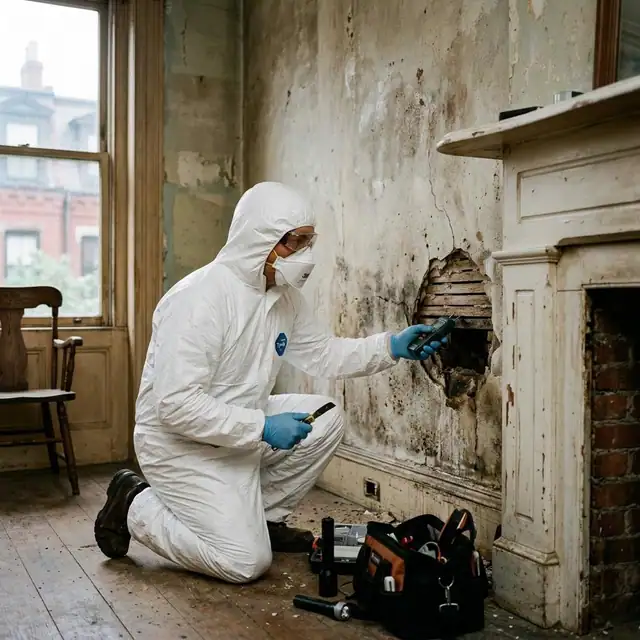
A mold assessment service isn't just about looking for visible growth. It's a systematic investigation of moisture sources, air quality, and surface contamination. The assessor starts by interviewing you about any water history, leaks, or condensation issues. Then they move through the building with tools like a moisture meter to check drywall, wood framing, and other porous materials for hidden dampness. They might also use a thermal imaging camera to spot temperature differences that suggest water intrusion behind finished surfaces.
Air sampling is another common piece of the puzzle. A spore trap is set up to capture airborne particles over a set period. The sample is sent to a lab, where it's analyzed for genus-level identification. This tells you not just that mold is present, but what kinds: Aspergillus and Penicillium are common indoors, while Stachybotrys chartarum, better known as black mold, is a more serious find that usually indicates chronic moisture. The lab report will also check for mycotoxins, which are toxic compounds produced by some molds and linked to health issues.
Surface sampling with swabs or tape lifts can confirm whether a suspicious stain is actually mold or just dirt. And if you've already done a DIY mold testing kit from the hardware store, you know those give only a yes-or-no answer and often miss the full picture. Professional sampling provides context: spore counts, species diversity, and comparison to outdoor baseline levels.
The Difference Between Assessment and Remediation
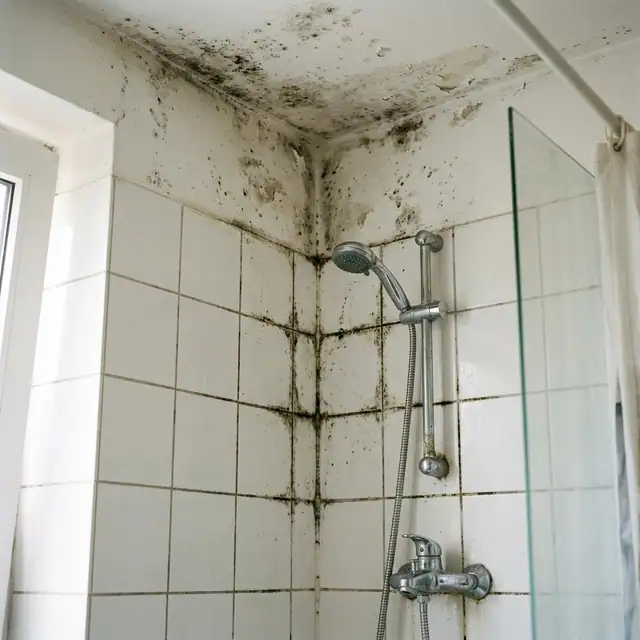
People sometimes mix up mold assessment with mold removal, but they are distinct stages. The assessment identifies the problem and its cause. Remediation is the actual cleanup and repair. A good mold assessment service will give you a clear scope of work for the remediation crew. It will tell them what areas need containment, what materials must be removed, and what cleaning methods are appropriate. Without that blueprint, a restoration company might clean only the visible spots and miss the reservoir of spores hidden in the wall cavity.
Many remediation contractors prefer to bring in an independent assessor first. That way they aren't judging their own work. This separation of duties is similar to having an inspector before a contractor bids on a job. It keeps everyone honest and ensures the remediation plan is based on data, not guesswork.
When Should You Schedule an Assessment?
There are several clear triggers for calling in a professional. If you've had a flood, a burst pipe, or any significant water intrusion, schedule an assessment as soon as the area is dry enough to enter. Mold can start growing within 24 to 48 hours on wet drywall or wood. Waiting a week can turn a small spot into a widespread contamination.
Buying a home is another obvious time. Even if the seller says there's no mold, a pre-purchase inspection by a certified mold assessor can uncover issues that a general home inspector might miss. I've seen cases where the home inspector noted a small stain, but the mold assessor found Stachybotrys chartarum behind the baseboards. That find alone saved the buyer from a costly health hazard.
If occupants are experiencing allergy symptoms, headaches, or respiratory problems that improve when they leave the building, that's a red flag. Mold assessment can confirm whether the indoor environment is the culprit and point to the source.
Tools of the Trade and What They Tell You
A qualified assessor carries a range of equipment. The moisture meter is the workhorse: it measures the moisture content of wood and drywall. Readings above 16 percent in wood or above 1 percent on drywall suggest damp conditions. The assessor also uses a hygrometer to check humidity levels in different rooms. High humidity, above 60 percent, can feed mold growth even without a visible leak.
For air quality testing, the spore trap is the standard tool. It pulls a known volume of air through a sticky slide or petri dish. The lab identifies the spores and reports them as spores per cubic meter. Comparing indoor counts to outdoor counts gives a baseline. If indoor levels are significantly higher, or if the species mix is different, that points to an indoor source.
Personal protective equipment is essential for the assessor, too. They wear gloves, an N95 respirator or better, and disposable coveralls when entering affected areas. This protects both their health and prevents cross-contamination between rooms.
Interpreting the Lab Results
Lab reports can be overwhelming for a homeowner. You might see terms like Aspergillus, Penicillium, Cladosporium, and Stachybotrys. The assessor's job is to translate that into plain language and give you a priority list. Some molds are allergenic, some are toxigenic, and a few are pathogenic. The presence of mycotoxins is especially concerning because these compounds can persist even after the mold is dead. They can become airborne again during cleanup if not handled properly.
Based on the findings, the assessor will recommend a course of action. Small, isolated spots on non-porous surfaces might be cleaned with antimicrobial spray and a HEPA vacuum. Larger areas or growth on porous materials like drywall or insulation usually require removal of the material itself. In severe cases, the assessor might suggest using an air scrubber with a HEPA filter to clean the air during and after remediation.
Why DIY Testing Falls Short
I understand the appeal of a cheap mold testing kit from the big-box store. You swab a surface, send it off, and get a result. But those kits have limitations. They often test only for the presence of mold, not the type or concentration. They can't tell you whether the spores are coming from a hidden leak or just from outdoor air coming in through a window. And they certainly can't measure moisture levels in your walls or identify the root cause.
A professional mold assessment service uses calibrated equipment and follows standard protocols set by organizations like the IICRC. The IICRC publishes standards for mold remediation and assessment, and many insurance companies and property managers require adherence to those standards. Without that rigor, you might clean up the visible mold and think the problem is solved, only to have it return because the moisture issue was never addressed.
What to Look for in an Assessor
Not everyone who offers mold assessment has the same level of training. Look for someone with a Mold Remediation Certification from a recognized body, or who is certified by the IICRC. They should carry liability insurance and be willing to explain their methodology. Ask if they provide a written report with lab results and a detailed scope of work. Some companies, like Mold Inspection Consultants, specialize in this independent assessment role and don't perform remediation themselves. That's a good sign because it means no conflict of interest.
In the Boston area, where old buildings and humid summers create a perfect storm for mold, a thorough assessment is especially important. Row houses with shared walls, steam heat, and basements that flood during spring thaws all create conditions where mold thrives. A local assessor understands these regional quirks and knows where to look.
Putting the Results to Work
Once you have the assessment report, the next step is remediation. The report will tell you what materials to remove, what cleaning methods to use, and what containment measures are needed. For example, if the report finds Stachybotrys chartarum in a bedroom wall, the contractor will set up plastic sheeting to isolate the area, use a HEPA vacuum on all surfaces, and then apply an encapsulant to seal any remaining spores. They might also run an air scrubber for 24 hours after the work is done to clear the air.
After remediation, a follow-up assessment is often a good idea. This confirms that the cleanup was effective and that spore levels have returned to normal. Some insurance companies require this before they release payment for the claim.
Prevention After the Fix
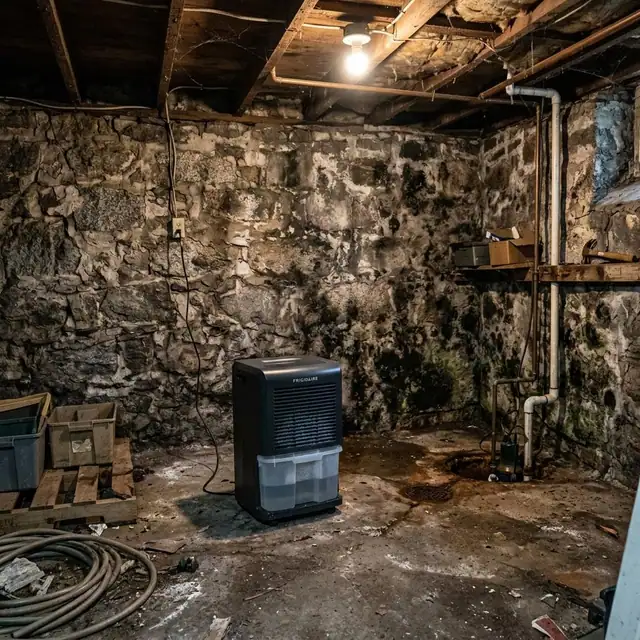
Fixing the mold is only half the battle. You also have to address the moisture that caused it. That might mean repairing a leaky pipe, improving ventilation in a bathroom, or running a dehumidifier in the basement during the humid months. A good assessor will include these recommendations in their report. They might suggest maintaining indoor humidity below 50 percent, checking gutters and downspouts, and sealing cracks in the foundation.
Regular monitoring with a simple moisture meter can help you catch problems early. If you see a reading spike in a corner of the basement after a heavy rain, you can investigate before mold takes hold. An annual inspection by a professional mold assessment service is a small investment compared to the cost of major remediation and the health risks of living with hidden mold.
In my experience, the people who call an assessor early are the ones who end up with the smallest bills. They catch the leak behind the dishwasher before it spreads to the cabinets. They find the condensation in the attic before it soaks the insulation. They sleep better knowing their indoor air is clean. If you're dealing with a musty smell, unexplained health symptoms, or just want peace of mind, a professional mold assessment service is the right first step.